Community Initiatives
The purpose of the Community Initiatives is to cultivate stronger, more vibrant, and resilient communities by providing crucial support and effectively connecting community needs with available resources. These programs address key state-wide challenges, such as housing, transportation, and child care, by supplying communities with the tools necessary to develop solutions tailored to their unique local circumstances.
These programs and initiatives are defined by the state Legislature and administered by the office.
First Home Investment Zone
The First Home Investment Zone (S.B. 268) requires a municipality or public transit county to submit a First Home Investment Zone (FHIZ) proposal to GOED. Upon submission, the office begins analyzing the feasibility, efficiency, rate of return, and other aspects of the proposed First Home Investment Zone.
Following the analysis, the FHIZ proposal is submitted to the Housing & Transit Reinvestment Zone Committee for consideration. Municipalities or public transit counties approved for the FHIZ receive certain tax advantages based on their proposal’s merits.
Interested municipalities should contact the office for additional information. To submit an application and proposal, contact the office to request access to the FHIZ application portal at [email protected].


Housing & Transit Reinvestment Zone
The Housing and Transit Reinvestment Zone Act (S.B. 217) requires a municipality or public transit county to submit a Housing and Transit Reinvestment Zone (HTRZ) proposal to GOED. Upon submission, the office begins analyzing the feasibility, efficiency, rate of return, and other aspects of the proposed Housing and Transit Reinvestment Zone.
Following the analysis, the proposal is submitted to the HRTZ committee for consideration. Municipalities or public transit counties approved for the Reinvestment Zone receive certain tax advantages based on their proposal’s merits.
Interested municipalities or public transit counties should contact the office for additional information. To submit an application and proposal, contact the office to request access to the HTRZ application portal at [email protected].
Major Sporting Event Venue Zone
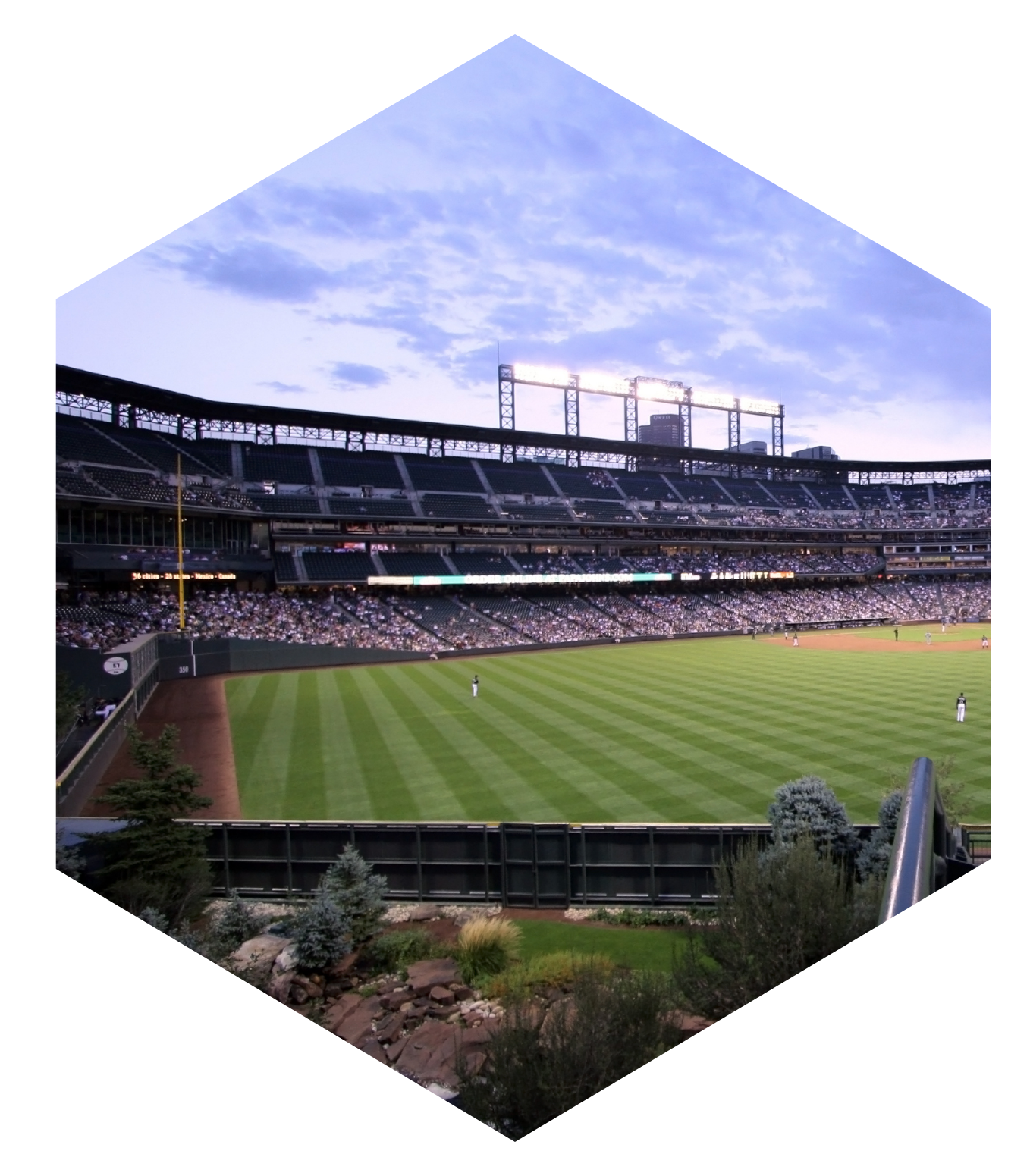
The Major Sporting Event Venue Zone Act (S.B. 333) promotes economic development for major sports facilities in Utah. It encourages redevelopment of aging venues, the development of new venues and supporting infrastructure, and increased use of public transportation.
A municipality or county may initiate a zone by submitting a detailed proposal to GOED for review.
Interested municipalities or counties should contact the office for additional information. To submit an application and proposal, contact the office to request access to the MSEVZ application portal at [email protected].

Redevelopment Agency Database
The Redevelopment Agency Database is driven by 2019 legislation S.B. 56 and statute 17C-1-603, which required the office to create and administer the public-facing database.
RDA Yearly Reporting
Each Community Reinvestment Agency is required to upload the required information to the database annually. The deadline to submit the yearly reports is June 30 of each year.
County Auditors’ Reporting
During the 2025 legislative session, the Community Development Amendments (S.B. 289) were adopted and require that a county auditor submit annual project area and tax increment data to the office no later than March 31 of each year.
This bill took effect May 7, 2025, and the first reporting period for county auditors began March 31, 2026.
Regionally Significant Development Zone
The State Coordination of Regional and Local Economic Development Projects Amendments (H.B. 507), adopted during the 2026 General Legislative Session, allows a municipality or county to propose a Regionally Significant Development Zone (RSDZ).
Upon approval, an RSDZ enables a portion of incremental tax revenue growth to be captured over time. This captured revenue is intended to support development costs in economically significant areas, including housing and transit-oriented development (TOD) considerations.
The ability to propose an RSDZ took effect on May 6, 2026. Interested municipalities or counties should contact the office for additional information at [email protected].


Utah Employer Child Care Tax Credits
Utah House Bill 190 (H.B. 190), officially titled the Child Care Business Tax Credit, is legislation from the 2026 General Session of the Utah State Legislature. The bill modifies corporate and individual income tax credits for employer-provided child care by allowing employers to claim credits even if they contract with off-site child care centers or use middle-man organizations to secure spots for their employees’ children. This includes requirements ensuring that employers who utilize these tax credits provide a genuine employee benefit at no cost to the employee.
Governor Cox signed the bill on March 26, 2026, and it took effect on May 6, 2026, with its tax provisions applying retroactively to January 1, 2026.
Utah Resource and Infrastructure Housing Capacity Analysis
Utah faces an inflection point as housing affordability reaches unprecedented levels. Strong demand from both internal sources and in-migration is running into substantial supply constraints, eroding the affordability and resulting peace of mind Utahns have long enjoyed.
To better understand Utah's housing prospects, GOED selected Envision Utah and RCLCO Real Estate Consultants to analyze housing capacity by evaluating land availability, infrastructure constraints, and market projections across Utah.
The resulting analysis clarifies future housing needs in high-growth markets by estimating future housing demand based on demographic and market forces. It also estimates regional capacity for new housing based on land and water availability, transportation and wastewater planning, and local land use regulations, and assesses how these variables align with regional housing needs.
